
Blog
How AI can be used in Smart Office Renovation?

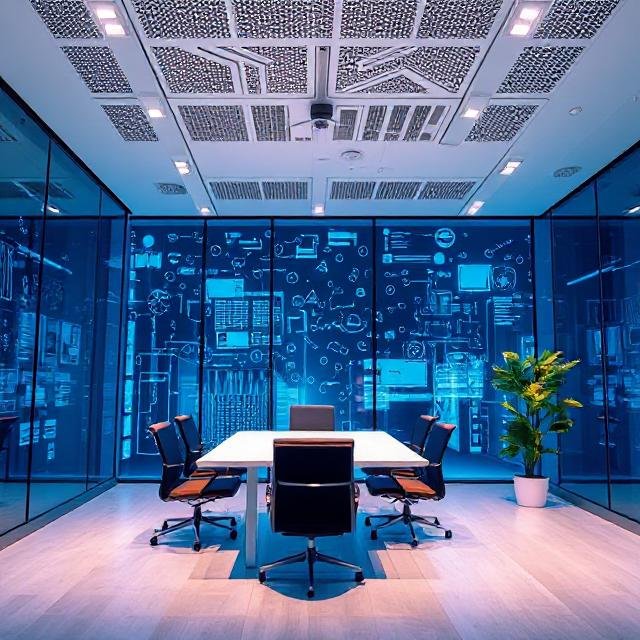
AI can significantly enhance smart office renovation by optimizing design, improving efficiency, and creating personalized, future-ready workspaces. Here’s how:
Intelligent Space Planning
- AI-powered design tools analyze space usage, employee movement, and workflows to recommend optimal layouts.
- Predictive modeling simulates how different office arrangements affect productivity, collaboration, and noise levels.
Energy Efficiency & Sustainability
- AI-driven HVAC and lighting systems automatically adjust based on occupancy, daylight, and usage patterns.
- Smart energy monitoring detects inefficiencies and suggests improvements to reduce costs and carbon footprint.
Personalized Employee Experience
- AI-integrated workstations can adjust lighting, temperature, and height based on individual preferences.
- Voice and gesture recognition systems enable touchless interaction with office infrastructure.
Automated Project Management
- AI tools streamline renovation timelines by optimizing schedules, detecting delays, and managing resources.
- Chatbots and virtual assistants help coordinate between contractors, designers, and clients.
Data-Driven Design Decisions
- AI analysis of employee feedback, usage data, and business goals supports evidence-based renovation choices.
- Enables iterative design improvements even after the renovation is completed.
Enhanced Security and Access
- AI-powered facial recognition and biometric systems secure sensitive areas.
- Smart surveillance systems proactively detect unusual activities or safety risks.
Augmented & Virtual Reality (AI-enhanced)
- AI combined with AR/VR allows stakeholders to visualize proposed changes in real time, aiding faster decisions.
Key benefits of using AI in Smart Office Renovation
Optimized Space Utilization
AI analyzes office layouts, employee movement, and usage patterns to design spaces that promote productivity, collaboration, and comfort. It helps eliminate wasted space and ensures every square foot is functional.
Improved Energy Efficiency
AI controls smart lighting, HVAC, and appliances based on real-time occupancy and usage, significantly reducing energy consumption and utility costs—creating a greener, more sustainable workspace.
Smarter Design Decisions
AI uses historical data, employee feedback, and predictive modeling to guide renovation choices. This results in data-backed decisions that align with organizational goals and user needs.
Faster, Cost-Efficient Renovation
AI streamlines project management by automating scheduling, detecting potential delays, and allocating resources efficiently—reducing both renovation time and costs.
Personalized Work Environments
Smart desks and rooms powered by AI adapt to individual preferences for lighting, temperature, and ergonomics—boosting employee comfort, engagement, and productivity.
Enhanced Security and Safety
AI-driven access control, facial recognition, and smart surveillance improve security, monitor occupancy, and ensure safety compliance in real time.
Seamless Integration with IoT
AI enables integration with smart devices, sensors, and building management systems, allowing centralized control and automation of various office functions.
Future-Readiness and Scalability
AI solutions are adaptable, meaning the smart office can evolve with organizational needs, technology upgrades, and workforce changes—future-proofing your investment.
Conclusion :
In conclusion, AI plays a vital role in smart office renovation by enabling intelligent design, efficient resource management, and personalized work environments. It optimizes space planning, enhances energy efficiency, and streamlines project execution through automation and data-driven decisions. AI also supports real-time monitoring, predictive maintenance, and seamless integration with smart systems, creating flexible, future-ready workplaces. By incorporating AI into office renovations, businesses not only boost productivity and employee well-being but also invest in a sustainable and adaptive work environment.